

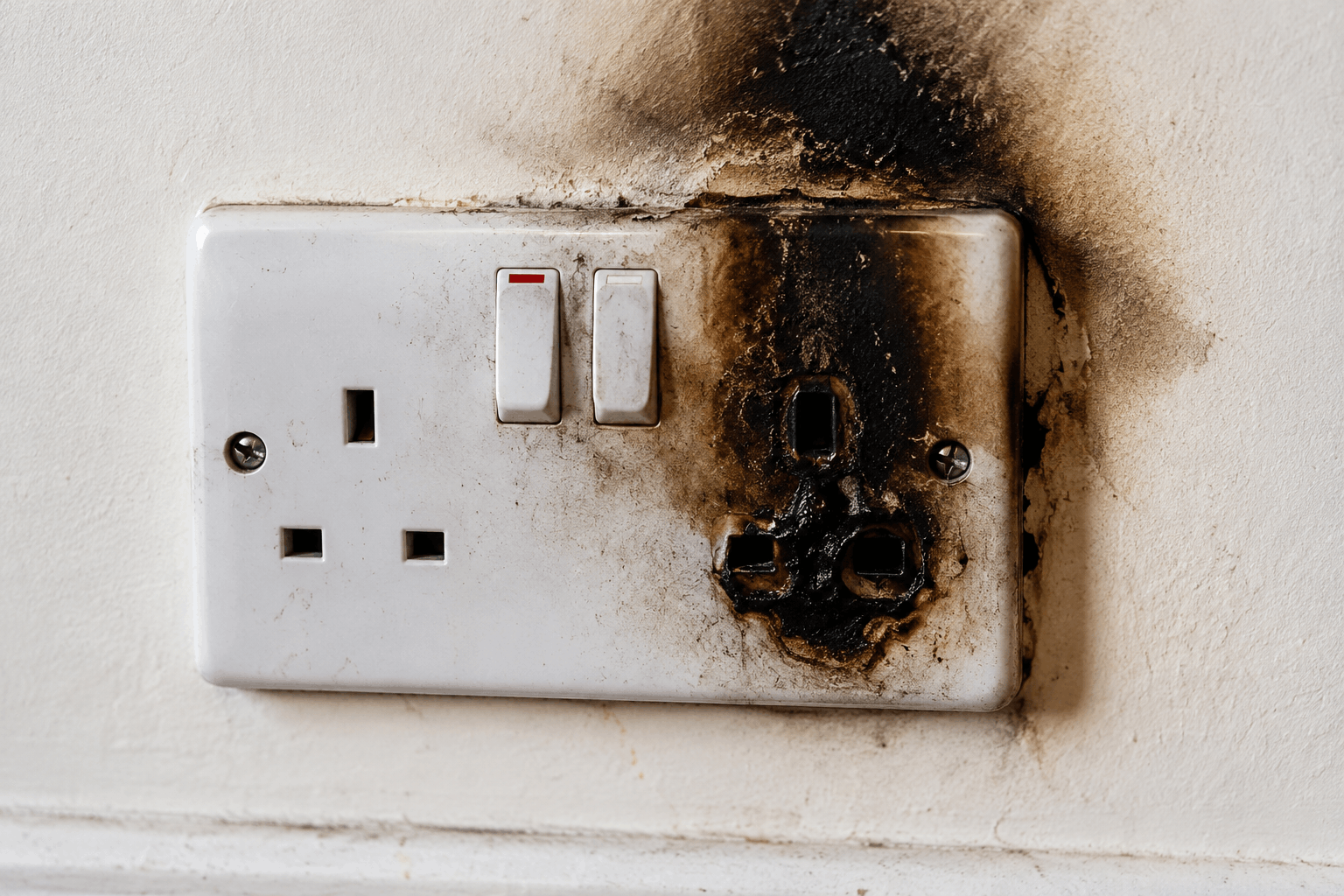
With the rise of online tutorials and DIY videos, many homeowners are becoming more confident taking on repairs and improvements around the house. While painting, decorating and basic maintenance can often be completed safely, electrical work is different.
Electricity is invisible, powerful and potentially dangerous. A mistake that appears minor can lead to electric shock, fires, damaged appliances, or problems with your home insurance.
Here are some of the biggest dangers of attempting DIY electrical work.
1. Risk of electric shock
One of the most obvious dangers of DIY electrical work is electric shock.
Even household mains electricity in the UK operates at a level that can cause serious injury or worse. You may not realise a circuit is live, or you may assume that switching something off at the wall is enough to make it safe.
Electrical shocks can cause:
- Burns
- Muscle injuries
- Falls caused by sudden reactions
- Serious or fatal injuries
Qualified electricians use specialist equipment and procedures to safely test circuits before carrying out work.
2. Increased risk of electrical fires
Incorrect electrical work is one of the potential causes of electrical fires in homes.
Common DIY mistakes include:
- Loose connections
- Incorrectly sized cables
- Poorly fitted sockets or switches
- Overloaded circuits
- Damaged insulation
These problems may not appear immediately but can create heat behind walls or inside electrical accessories over time.
3. Incorrect wiring can create hidden dangers
Electrical systems are often hidden behind walls, ceilings and floors, meaning mistakes may not be obvious.
A socket or light fitting may appear to work correctly while still having:
- Incorrect polarity
- Poor earthing
- Loose connections
- Unsafe cable routing
These issues can put people and property at risk without any visible warning signs.
4. Your work may not meet UK regulations
Electrical installations in UK homes must comply with safety standards, including the requirements of BS 7671 (the IET Wiring Regulations).
Some electrical work may also need to comply with Part P of the Building Regulations, particularly in England and Wales.
A qualified electrician understands these requirements and can ensure work is completed safely and correctly.
5. Problems with insurance and property sales
Unqualified electrical work can create complications when selling your home or making an insurance claim.
You may be asked for:
- Electrical certificates
- Installation records
- Evidence that work was completed by a competent person
If electrical work has not been carried out correctly, it could delay a property sale or affect an insurance claim.
6. Overloading your electrical system
Many older homes were not designed for the number of electrical devices used today.
Adding extra sockets, circuits or powerful appliances without understanding your home’s capacity can overload the system.
Examples include:
- Electric showers
- Hot tubs
- EV chargers
- Tumble dryers
- Electric heaters
A professional electrician can check whether your existing installation can safely handle additional demand.
7. Using the wrong materials or equipment
Electrical work requires the correct components for the job.
Using unsuitable parts, cheap alternatives, or incorrect cable sizes can create safety issues.
Examples include:
- Installing indoor equipment outside
- Using the wrong type of cable
- Fitting unsuitable sockets
- Using damaged electrical accessories
Electrical components are designed with specific safety requirements, and choosing the wrong product can have serious consequences.
8. Small mistakes can become expensive repairs
Trying to save money with DIY electrical work can sometimes result in higher costs later.
Incorrect installations may require:
- Fault finding
- Replacing damaged components
- Repairing cables
- Redoing unsafe work
In some cases, an electrician may need to inspect and correct previous DIY work before completing new installations.
9. You may not know what is behind the wall
Drilling into walls, installing new fittings, or adding fixtures without understanding existing wiring can be dangerous.
Accidentally damaging hidden cables can cause:
- Electric shocks
- Power failures
- Damage to your electrical system
Professional electricians use testing equipment to identify cables and work safely around existing installations.
10. Some electrical work is legally restricted
In the UK, certain electrical work must be completed or certified by a qualified person.
Examples include some work involving:
- Consumer unit replacements
- New circuits
- Electrical installations in bathrooms
- Outdoor electrical supplies
Using a registered electrician helps ensure the work is safe, compliant and properly documented.
When should you call an electrician?
If you are unsure whether a job is safe to complete yourself, it is always better to seek professional advice.
A qualified electrician can help with:
- Electrical inspections
- Fault finding
- Consumer unit upgrades
- Additional sockets
- Lighting installations
- Rewires
- EV charger installations
Electrical work is not the place to take unnecessary risks. Getting the job done properly protects your home, your family and your peace of mind.
Need electrical work carried out safely? Contact your local qualified electrician for professional advice and a reliable service.
Always use a qualified electrician registered with a recognised scheme such as NICEIC or NAPIT for electrical work in your home.